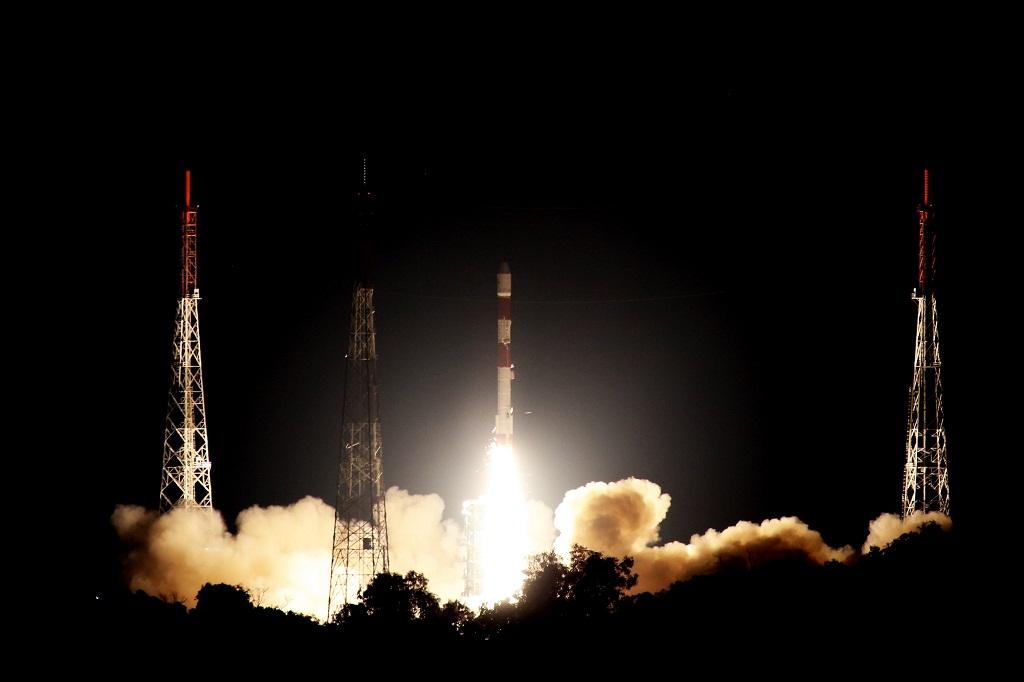
In India the roots of space research began in the 1920s scientists SK MITRA, C V RAMAN and MEGHNAD SAHA started conducting studies. in around 1950s space-related activities started getting national attention. in 1962 a historical step is taken when Pandit Jawaharlal Nehru(first prime minister of India) established The Indian National Committee for Space Research under the leadership of Vikram Sarabhai(also known as the father of India’s space program) this step gives a solid boost to the scientist. in November 1963 the first rocket was launched from India. with this first rocket.
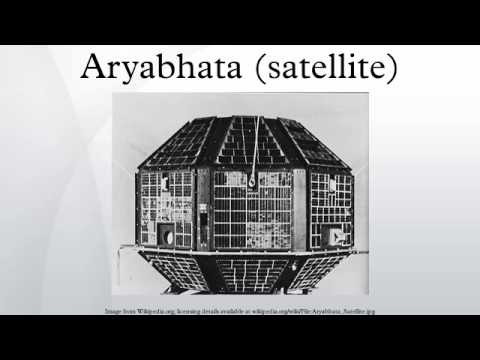
in 1969 Indian Space Research Organisation (ISRO) was formed and the Era of launching Satellites began.in the upcoming year’s department of space, Satish Dhawan space center was formed it was in 1975 when the first Indian satellite, Aryabhata was launched from Russia.
In 2008 India’s launched its first moon mission Chandrayaan-1 from Satish Dhawan Space Centre. the mission includes a lunar orbiter and an impactor it was a big milestone for India’s space program as India developed its own technology in order to explore the moon.

In November 2013 India’s first interplanetary mission MOM Mars Orbiter Mission or Mangalyaan was launched by PSLV-XL C25 from Sriharikota.it was such a big competition for ISRO because NASA also launched its Mars mission MAVEN at the same time. the world is looking at us.on 24 September 2014 a big news from ISRO was released Mangalyaan is successfully entered Mars orbit.India becomes the first country in the world to insert a spacecraft into the Martian orbit in its first attempt.it was such a huge success because NASA’S MAVEN cost was $671 million USD whereas MOM cost was $74 million USD.

In July 2019 ISRO launched its second lunar mission Chandrayaan-2 which consists of a lunar orbiter, the Vikram lander, and the Pragyan lunar rover by a GSLV MK III rocket. the craft reached the lunar orbit on 20 August 2019 then the most tricky part orbiter manoeuvres for the landing of Vikram lander started.it was scheduled to land on the south pole region of the moon. however, the lander deviated from its trajectory starting at 2.1km altitude and has lost communication. chairman k.sivan stated, “it must have been a hard landing”. both NASA and ISRO tried unsuccessful attempts to re-stabilized communication for the next two weeks but the sun is set for Vikram. it was not a complete failure because the orbiter is still orbiting the moon with eight scientific instruments onboard.ISRO has set its eyes on sun in 2020. failures are always there in space exploration. nature doesn’t show its beauty so easily. in the last, I just want to say that ISRO WE ARE PROUD.
 UDIT iiiT-DELHI
